
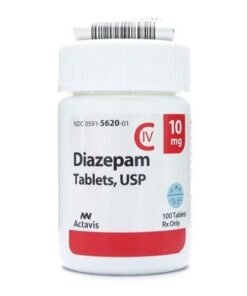
Diazepam: Understanding Its Uses, Benefits, and Risks
Diazepam, a prominent medication in the benzodiazepine family, is widely recognized for its calming effects. This versatile drug is primarily prescribed to manage anxiety, muscle spasms, and seizures, playing an essential role in numerous therapeutic contexts. In this article, we will explore the comprehensive landscape of diazepam, including its applications, benefits, and potential risks to provide you with a clearer understanding.
What is Diazepam?
Diazepam, often marketed under the brand name Valium, is a central nervous system depressant that has been utilized since it was introduced in the 1960s. Its rapid rise to popularity is attributed to its efficacy and safety profile, making it one of the most prescribed medications globally. The drug enhances the effects of GABA (gamma-aminobutyric acid), a crucial neurotransmitter that helps inhibit brain activity. By doing so, diazepam effectively promotes relaxation, alleviates anxiety, and fosters better sleep patterns.
How Does Diazepam Work?
The action of diazepam is centered around its interaction with GABA receptors in the brain. It facilitates the binding of GABA to these receptors, increasing the influx of chloride ions into neurons. This process leads to hyperpolarization, which decreases neuronal excitability. As a result, patients experience its well-known sedative, anxiolytic, and muscle relaxant effects.
Medical Uses of Diazepam
Diazepam’s versatility shines through its various medical applications:
1. Anxiety Relief
One of the most recognized uses of diazepam is for the treatment of anxiety disorders. Its rapid action paired with long-lasting effects makes it an ideal choice for individuals dealing with sudden panic attacks or pervasive anxiety.
2. Muscle Relaxation
Diazepam effectively addresses muscle spasms caused by conditions such as multiple sclerosis or spinal injuries. Its ability to relax muscles alleviates discomfort and enhances mobility, improving the quality of life for many patients.
3. Seizure Control
In emergency situations, diazepam can be administered rectally to manage seizures effectively. It is particularly useful for treating status epilepticus, a life-threatening condition characterized by prolonged seizures.
4. Sedation
Diazepam is often used as a premedication before surgeries, procedures, or diagnostic tests, providing calming effects that reduce patient anxiety and facilitate smoother healthcare experiences.
Benefits of Diazepam
The advantages of diazepam extend beyond its medical uses:
– Quick Onset of Action: Diazepam provides rapid relief for anxiety and muscle spasms, making it a highly effective choice in acute situations.
– Long Duration of Effects: The drug’s effects last significantly longer than many alternatives, potentially reducing the number of doses needed throughout the day.
– Versatile Administration Routes: Diazepam can be taken orally, injected, or administered rectally, allowing for flexibility and ease of use, especially in emergencies.
Potential Side Effects and Risks
While diazepam is generally effective and safe when used appropriately, it is essential to consider its potential side effects:
– Drowsiness and Fatigue: Many users experience sleepiness or fatigue, which may impact day-to-day activities.
– Cognitive Impairment: Some individuals may face memory issues or difficulties concentrating, particularly with prolonged use.
– Dependence and Withdrawal: Extended usage can lead to both physical and psychological dependency. It’s crucial to follow a healthcare provider’s recommendations to avoid uncomfortable withdrawal symptoms.
– Drug Interactions: Diazepam can interact with various medications and substances, potentially leading to severe complications. Always disclose your complete medication history to your healthcare professional.
Who Should Avoid Diazepam?
Certain individuals must approach diazepam with caution or might need to avoid it altogether. People with a history of substance abuse, respiratory problems, or serious liver disease face increased risks. Pregnant or nursing women should also seek guidance from their doctors before using this medication.
Conclusion
Diazepam continues to be a valuable asset in modern medicine, offering effective relief for anxiety, muscle spasms, and seizures. Its rapid action and versatility make it a preferred option in numerous clinical situations. However, awareness of its potential side effects and the risks associated with dependence is vital for safe usage. Always consult a healthcare professional for personalized advice regarding diazepam, ensuring it is the right choice for your condition and lifestyle.

Reviews
There are no reviews yet.