
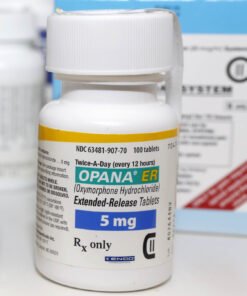
Opana (Oxymorphone): Understanding Its Uses, Risks, and Benefits
Opana, the brand name for oxymorphone, is a potent opioid analgesic utilized for the management of moderate to severe pain. Its effectiveness makes it an essential option for individuals suffering from significant discomfort due to surgeries, severe injuries, or chronic conditions. However, alongside its benefits, Opana presents a range of risks that both patients and healthcare providers need to understand thoroughly.
What Is Opana?
Opana is a strong opioid that modifies how the brain processes pain signals. It can be administered either orally or through injections, depending on the patient’s specific circumstances and the severity of their condition. By binding to certain receptors in the brain, Opana reduces pain perception, offering relief for those dealing with severe acute pain or debilitating chronic pain issues.
The Clinical Use of Opana
Opana for Pain Management
The primary application of Opana is within the realm of pain management. Its potency makes it a go-to solution for patients recovering from surgery or those battling severe pain, particularly in cases like cancer or major injuries. Physicians often tailor dosages to meet individual patient needs, helping minimize side effects while maximizing pain relief. This is especially crucial for individuals transitioning from other pain medications or for those who may have developed a tolerance to various opioids.
Extended-Release Formulation
One of Opana’s notable features is its extended-release formulation, crafted to provide prolonged pain relief. This formulation allows patients to take the medication less frequently while maintaining a consistent level in their system. Although this provides significant advantages, it simultaneously elevates the risk of dependency and overdose, necessitating vigilant monitoring by healthcare providers.
Risks and Side Effects of Opana
Understanding the Risks
Although Opana can effectively relieve pain, awareness of the associated risks is vital, especially when it comes to extended or high-dose use. Common side effects include dizziness, nausea, constipation, and respiratory depression. These symptoms can become severe or potentially life-threatening, particularly for individuals with existing health issues or those who misuse the medication.
Potential for Dependency
Opana possesses a considerable potential for addiction, highlighting the necessity of thorough patient screening and honest communication. Individuals with a history of substance abuse may be more vulnerable to developing a dependence on Opana. Therefore, healthcare providers must monitor their patients closely and explore alternative pain relief methods whenever feasible.
The Controversy Surrounding Opana
Opana has garnered significant attention and controversy due to its potential for abuse. The formulation has been linked to a surge in opioid-related overdoses and addiction cases. In response, pharmaceutical companies have made attempts to reformulate Opana in order to combat misuse; however, the challenges persist as some individuals still seek this medication for its euphoric effects.
Recommendations for Safe Use
Consult Your Healthcare Provider
If prescribed Opana, following your healthcare provider’s instructions meticulously is critically important. Discuss any concerns you may have regarding the medication, especially relating to possible side effects or your history of substance use. Open dialogue contributes immensely to effective pain management.
Avoiding Polypharmacy
Caution is paramount when considering the combination of Opana with other medications, specifically central nervous system depressants such as benzodiazepines. The interaction of these drugs can significantly amplify the risks of respiratory depression and overdose. Patients should always inform their healthcare providers of any and all medications they are taking.
Emergency Preparedness
For anyone prescribed Opana, having a plan ready for possible overdose situations can be lifesaving. Possessing naloxone, an opioid overdose reversal medication, and knowing how to use it is a critical safety measure.
Conclusion
Opana (oxymorphone) stands as a crucial resource in pain management for those enduring substantial pain. Understanding its uses, risks, and the imperative for responsible prescription practices is essential for both patients and healthcare professionals. While it can dramatically enhance quality of life when used correctly, the potential for dependency and misuse highlights the necessity for caution. By maintaining open lines of communication with healthcare providers and adhering to prescribed guidelines, patients can enjoy the benefits of Opana while effectively mitigating its risks.
Reviews
There are no reviews yet.