
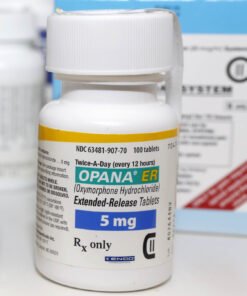
Opana (Oxymorphone): Understanding Its Uses, Risks, and Benefits
Opana, clinically known as oxymorphone, is a potent opioid analgesic prescribed for managing moderate to severe pain. With its high efficacy and strength, Opana is often recommended for individuals facing significant discomfort, whether from surgical procedures, traumatic injuries, or chronic illnesses. However, alongside its benefits, it is crucial to recognize the substantial risks that come with its use, which both patients and healthcare professionals must navigate carefully.
What is Opana?
Opana is a powerful opioid that modifies how the brain perceives pain. It can be administered orally, often in pill form, or via injection, depending on the patient’s specific situation and the severity of their pain. Acting upon the body’s opioid receptors, Opana effectively reduces pain signals, offering essential relief for those suffering from acute conditions or debilitating, long-term pain.
The Clinical Use of Opana
Opana for Pain Management
The primary indication for Opana is pain management. Its remarkable effectiveness makes it a preferred choice for individuals recovering from surgery or those enduring severe pain due to cancer and other serious health conditions. Dosage for Opana is carefully tailored to meet individual patient needs, effectively minimizing side effects while maximizing pain relief. This personalized approach is particularly important for patients transitioning from other pain medications or those who may have developed a tolerance to different opioids.
Extended-Release Formulation
One of Opana’s significant features is its extended-release formulation, which is designed to provide prolonged pain relief. This convenient delivery system reduces the need for frequent dosing and helps maintain a consistent level of medication in the bloodstream. While this is a considerable advantage for managing pain effectively, it also increases the risk of dependency and overdose if the medication is not closely monitored.
Risks and Side Effects of Opana
Understanding the Risks While Opana proves effective in alleviating pain, it is imperative to be aware of the associated risks of opioid medications, particularly with higher doses and prolonged use. Common side effects include dizziness, nausea, constipation, and, in more severe cases, respiratory depression. Patients with pre-existing conditions or those who misuse the medication may face even higher risks associated with these side effects.
Potential for Dependency
Opana carries a high potential for addiction, making thorough patient screening and honest communication with healthcare providers paramount. Individuals with a history of substance misuse are particularly vulnerable to developing a dependency on Opana. Therefore, healthcare providers must closely monitor their patients and consider alternative pain management strategies when suitable.
The Controversy Surrounding Opana
Opana has faced significant scrutiny, especially regarding its potential for abuse. Its use has been linked to a rise in opioid-related overdoses and addiction cases. In response, the pharmaceutical industry has made efforts to reformulate Opana to deter misuse. However, challenges remain, as some individuals still seek the drug for its euphoric effects, complicating the conversation around its appropriate use.
Recommendations for Safe Use
Consult Your Healthcare Provider
If you are prescribed Opana, adhering strictly to your healthcare provider’s instructions is vital. Open discussions about any concerns you may have, including potential side effects and your history of substance use, are essential. Clear communication will help your provider manage your care more effectively.
Avoiding Polypharmacy
Be cautious about combining Opana with other medications, particularly other central nervous system depressants like benzodiazepines. Such interactions can amplify the risk of respiratory depression and increase the likelihood of overdose. Always inform your healthcare provider about all medications you are currently taking.
Emergency Preparedness
If you or someone close to you is prescribed Opana, developing an emergency plan for overdose situations is wise. Having naloxone, an opioid overdose reversal agent, on hand and knowing how to use it can be lifesaving in critical moments.
Conclusion
Opana (oxymorphone) serves as a crucial tool in managing severe pain effectively. Understanding its uses, inherent risks, and the importance of responsible prescription practices is essential for both patients and healthcare providers. When used appropriately, Opana can significantly enhance the quality of life for those in need; however, caution is imperative due to its potential for dependency and misuse. By fostering open communication with healthcare providers and adhering to prescribed guidelines, patients can maximize the benefits of Opana while minimizing associated risks.

Reviews
There are no reviews yet.